
Anagen Scalp
6 Oct 2026
Hair treatment or scalp treatment? Learn which one thinning, shedding or damaged hair actually needs, and when a scalp assessment should come first instead.
Hair Treatment vs Scalp Treatment in Singapore: How to Tell Which One Your Hair Actually Needs
Updated 2026 · Anagen Scalp · 10 min read
What Is the Difference Between a Hair Treatment and a Scalp Treatment?
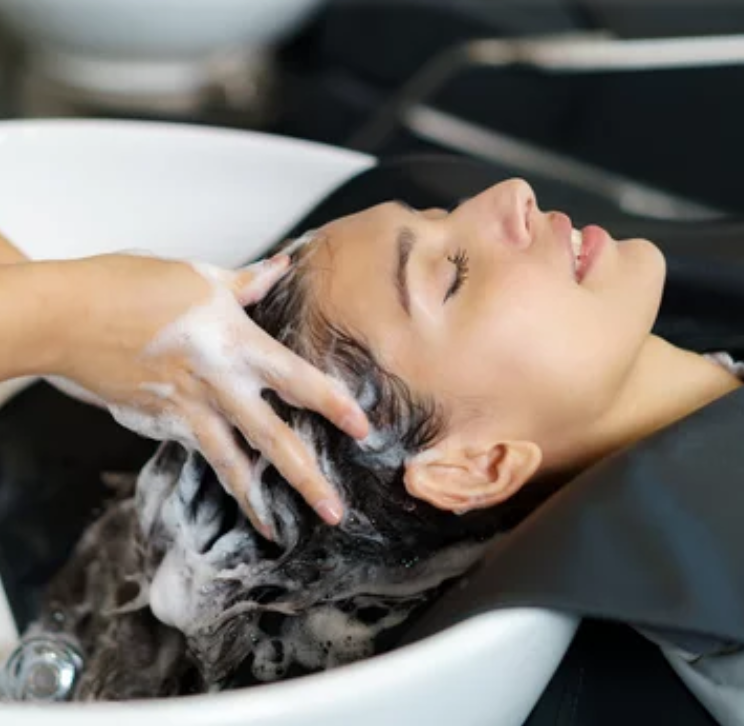
If your hair feels thin, flat or weak, it is tempting to book the first hair treatment Singapore salons offer. But hair treatments and scalp treatments are designed for different jobs. One works on the strands you can see; the other works on the skin and follicles that produce them.
The simplest way to think about it: the hair you can see is a fibre, and the living structures that grow it sit inside the scalp.
So before you book anything, ask one question. Is the problem mainly with the hair shaft, or is it happening at the scalp and follicle level? Getting that right can save you months of treatments that were never designed for your concern. For a wider view of what is available, see our guide to hair loss treatment options.

What a hair treatment does
In salon language, a "hair treatment" usually means a cosmetic treatment applied to the visible hair shaft. Examples include deep conditioning, hair masks, bond-repair products, gloss treatments and keratin or chemical straightening.
Once hair has grown out of the follicle, the visible fibre is no longer living tissue. It can be conditioned, smoothed and protected, but it cannot heal the way skin does. A good hair treatment improves the condition and appearance of the strands you already have.
What a scalp treatment does
A scalp treatment focuses on the skin beneath the hair and the environment around each follicle. The scalp holds a dense network of follicles and oil glands, with its own barrier and microbiome. You can read more about how this system works in About Hair Loss & Hair Growth.
A scalp-focused programme looks at concerns such as excess oil, flaking, itch, sensitivity, increased shedding and gradual thinning. It does not mean every type of hair loss can be resolved at the scalp. The American Academy of Dermatology stresses that identifying the cause of hair loss is central to choosing the right approach.
Hair Treatment Singapore vs Scalp Treatment: The Key Difference
The clearest way to compare them is to look at where the problem begins.
This is why "my hair looks unhealthy" is not enough to decide. Someone with severe breakage may have plenty of active follicles but weak fibres. Someone else may have glossy strands, but fewer of them each year.
Why hair can look better without treating hair loss
A cosmetic treatment can make thinning hair look fuller for a while. Conditioned strands sit more neatly, and styling can lift the roots. That improvement is real, but it is not a change in follicle activity or hair density.
In androgenetic alopecia, for example, follicle miniaturisation means susceptible follicles gradually produce finer hairs. A treatment applied to the lengths cannot reverse that by adding shine. Likewise, if shedding started after illness, stress or childbirth, a conditioning treatment makes the remaining hair easier to manage, but it does not explain why the shedding began.
Why Singapore's climate blurs the line
Singapore's heat and humidity make it easy to confuse the two problems. Daily sweat, frequent washing and long hours in air-conditioning can leave the scalp oily at the roots while the lengths feel dry and brittle.
Many people respond by booking a hair spa for the dryness, while the oiliness and congestion at the scalp go unaddressed. Frequent colouring to cover greys, common among clients in their 40s and 50s, adds chemical stress to both the fibre and the skin around it.
Humidity also makes styling harder. Frizz and limp roots push many people towards smoothing treatments, which can mask early thinning for months because the hair simply looks tidier.
The result is a mixed picture. That is exactly when a proper assessment is worth more than another treatment chosen by feel.
Which One Do You Need? Signs to Look For
Signs a hair treatment is the right starting point
A hair treatment is usually the logical first step when your scalp feels comfortable and the changes are happening along the lengths. Look at the hairs you are losing: full-length strands and short broken pieces tell different stories.
[Breakage] Short, uneven fragments
Breakage often follows repeated bleaching, colouring, straightening or high-heat styling.
[Dryness] Rough, dull or tangled lengths
The fibre needs conditioning and protection rather than scalp work.
[Chemical damage] Hair that snaps after processing
Dermatologists advise gentle washing, conditioning after every shampoo and limiting heat. The AAD also suggests skipping hot-oil treatments on fragile hair, because heat damages it further.
Signs you need a scalp assessment
Consider a scalp assessment when the issue is not how each strand feels, but how much hair you have, how much you shed, or what is happening on the scalp itself.
[Density] A widening part, smaller ponytail or thinner crown
More scalp showing under bright light is worth investigating early.
[Hairline] Temples or frontal hairline receding
Pattern loss needs to be distinguished from breakage or traction.
[Shedding] Hair fall that has increased and stayed high
The AAD notes it is normal to shed 50–100 hairs a day. What matters is a change from your own normal, especially if it persists.
[Scalp symptoms] Itch, flaking, oiliness or tenderness that will not settle
These sit in the scalp skin, not the fibre.
If you recognise these signs, booking another smoothing treatment because your hair "feels thin" risks treating the wrong structure.
Two questions to ask before you pay
Price and branding matter less than whether a service targets the right structure. Before you commit to any package, ask:
What is this treatment intended to change: the existing hair fibre, the scalp environment, or the follicle?
How will progress be measured?
Hair-shaft treatments should be judged on softness, manageability and less breakage. Scalp programmes should track what they claim to address, such as scalp symptoms, the shedding pattern or visible density, ideally with magnified photographs taken at the same spots each time. If a provider cannot answer either question clearly, keep looking.
When you need both
Some people have chemically damaged lengths and, separately, pattern thinning or post-stress shedding. In that case, scalp-focused care can run alongside gentler cosmetic hair care. Tight styles deserve attention too, since repeated tension can lead to traction alopecia.
The 30-second check
How Scalp Treatment Works at Anagen Scalp
Anagen Scalp is a regenerative, drug-free and non-invasive scalp centre. It does not perform PRP, blood draws or injections, prescribe medication or carry out hair transplant surgery.
Every first visit begins with an assessment rather than a sales pitch. A useful assessment looks at:
where the thinning or shedding is happening;
when it started, and whether it was sudden or gradual;
symptoms such as itch, redness or scaling;
recent stress, illness, childbirth or lifestyle changes;
hair-care and styling habits;
density and hair-calibre patterns under magnification;
whether non-invasive care suits you or a doctor's review is needed.
For suitable clients, the Signature Plasma Scalp Boost uses ionised plasma energy to carry exosome-based actives into the scalp dermis, followed by low-level laser therapy (LLLT). Sessions take 60–90 minutes, with no needles and no downtime. Learn more about the Plasma Scalp Boost.
What scalp treatment cannot do
A credible scalp centre should be clear about its limits. Scalp treatment is not a substitute for medical care when medical care is needed.
See a doctor or dermatologist if you notice sudden patchy loss, rapidly worsening loss, scalp pain, pus, scarring, or loss of eyebrow or body hair. Some forms of alopecia can permanently damage follicles, so early diagnosis matters. A responsible scalp centre should know when not to treat.
What to Expect: Timeline
If your concern points to the scalp, here is a realistic picture of how a structured programme typically unfolds. Results vary with the cause, the stage and how consistent the sessions are.
Frequently Asked Questions
Can a hair spa stop hair loss?
A hair spa may improve softness, hydration and manageability. It should not be treated as a solution for alopecia or persistent excessive shedding. Hair loss has many causes, and the right approach depends on finding the cause first.
Is scalp treatment the same as a salon hair treatment?
No. A salon hair treatment usually works on the lengths and the condition of the visible fibre. A scalp treatment works on the scalp skin and the environment around the follicles. Some services combine both, so ask exactly what is being treated.
Can damaged hair cause thinning?
Damaged hair can break, which makes hair look thinner even when follicles are active. Tight hairstyles and repeated chemical stress can also contribute to traction alopecia over time, which is why gentler habits matter.
Should I stop salon treatments if I am losing hair?
Not necessarily. Gentle conditioning treatments can protect fragile hair and reduce breakage. What helps is pausing harsh chemical services and high heat while the cause of the hair loss is being assessed, then reintroducing them carefully.
The Bottom Line
Hair treatment and scalp treatment are not competitors; they do different jobs. A good hair treatment makes dry or damaged fibres smoother and easier to manage. A scalp programme works further upstream, on the skin and follicles that new hair grows from.
The mistake is choosing based on the word "hair" rather than the source of the problem. If your concern is shedding, thinning or a visible change in density, start with an assessment rather than a guess.
Explore Anagen Scalp's scalp treatment for hair loss, or read more about our approach to scalp treatment Singapore. First-time clients can start with the $38 scalp analysis and trial to understand what is happening before committing to a longer programme.
Related Articles in This Series
→ Hair Shedding vs Hair Loss: How to Tell the Difference
→ Scalp Centre vs Salon vs Clinic: Where to Go for Hair Loss
