
Anagen Scalp
12 Mar 2026
Exosomes are among the most promising developments in hair loss treatment. This complete guide covers how they work, the evidence, and what to expect in Singapore.
Exosomes for Hair Growth Singapore: The Complete Guide to Regenerative Hair Therapy
Updated 2026 · Anagen Scalp · 10 min read
What Are Exosomes?
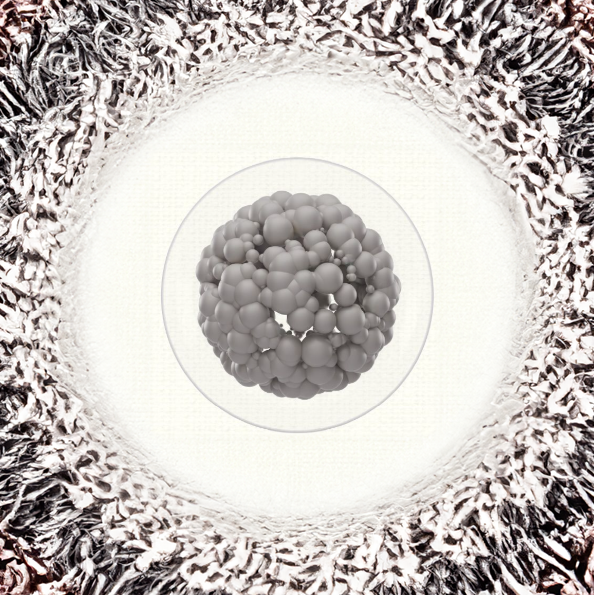
Exosomes are extracellular vesicles — tiny biological messengers, typically 30–150 nanometres in diameter, that are released by cells and carry proteins, lipids, RNA, and growth factors. They act as a sophisticated communication system between cells, transmitting biological instructions that trigger healing, regeneration, and cellular repair.
In the context of hair growth, exosomes derived from stem cells carry a rich payload of growth factors including VEGF (vascular endothelial growth factor), FGF (fibroblast growth factor), and PDGF (platelet-derived growth factor). When delivered to the scalp, these signalling molecules instruct follicle cells to reactivate, extend the growth phase (anagen), and improve the overall scalp environment in which hair grows.
Research published in peer-reviewed journals, including work cited by the National Library of Medicine, indicates that exosomes promote hair follicle proliferation, extend the anagen phase, and stimulate dermal papilla cells — the primary drivers of hair growth at the follicle base.

How Exosome Therapy Works for Hair Loss
Exosome therapy for hair growth involves delivering concentrated exosome preparations directly to the scalp, where they are absorbed by follicle cells and the surrounding dermal papilla. The process typically involves:
• A scalp analysis to assess follicle health and identify the pattern and stage of hair loss
• Preparation of the scalp for optimal absorption
• Application of the exosome preparation to the treatment area
• The exosomes penetrate the scalp and are taken up by follicle and scalp cells
• Growth factor signals trigger a regenerative response: follicles enter or extend the anagen phase, circulation improves, and inflammation reduces
The key advantage of exosome therapy over earlier regenerative approaches is the specificity and concentration of biological signals delivered. Rather than simply introducing growth factors, exosomes deliver a complete cellular communication package that mimics the body’s own repair signalling.
Who Is Exosome Hair Therapy Best For?
Hair Loss Type | Why Exosomes Help | Expected Outcome |
Androgenetic alopecia (moderate-to-advanced) | Reactivates miniaturised follicles; extends anagen phase; reduces inflammation | Stabilisation + density improvement over 3–6 months |
Post hair transplant recovery | Accelerates graft survival and healing; stimulates surrounding native hair | Faster recovery; improved density from existing grafts |
Telogen effluvium | Shortens the resting phase; encourages follicles back into growth cycle | Faster return to growth; reduced overall shedding |
Alopecia areata | Anti-inflammatory signals may calm immune attack on follicles | Variable — results depend on severity and extent |
Female pattern hair loss | Targets diffuse crown thinning; reactivates dormant follicles | Gradual density improvement; best results with consistent sessions |
Exosome therapy works best when follicles are still present but dormant or miniaturising. It is less effective once follicles have been permanently lost. This is why early treatment always produces better outcomes.
Exosomes vs Other Hair Loss Treatments
For most people with moderate-to-advanced hair loss, exosome therapy is combined with Plasma Scalp Boost or IndiScalp RF for a synergistic effect.
What to Expect: Timeline and Results
• Sessions 1–2: Scalp environment begins to improve; some initial reduction in shedding
• Weeks 4–8: Stabilisation of shedding; early signs of finer regrowth begin
• Months 3–4: Visible density improvement in treatment areas
• Month 6: More significant density and quality improvement with consistent sessions
Exosome therapy is typically delivered in 2–4 sessions spaced 4–6 weeks apart, followed by maintenance sessions to sustain results. It can be combined with other treatments in a personalised protocol based on your specific hair loss stage and pattern.
For a full overview of what's available without surgery or medication, the hair loss treatment options guide covers all regenerative protocols. All scalp treatments in Singapore at Anagen Scalp are available at Pacific Plaza.
More on this topic: RF Scalp Therapy Singapore · Can You Treat Hair Loss Naturally? · Hair Thinning Treatment Singapore · Best Hair Growth Treatment Singapore · Do Exosomes Really Work for Hair Growth?
