
Anagen Scalp
3 Sept 2025
Alopecia areata causes sudden bald patches with no obvious trigger. Discover what drives this autoimmune condition and what can actually be done about it.
Alopecia Areata: Why Bald Spots Appear and What You Can Do
Updated 2025 · Anagen Scalp · 8 min read
What Is Alopecia Areata?

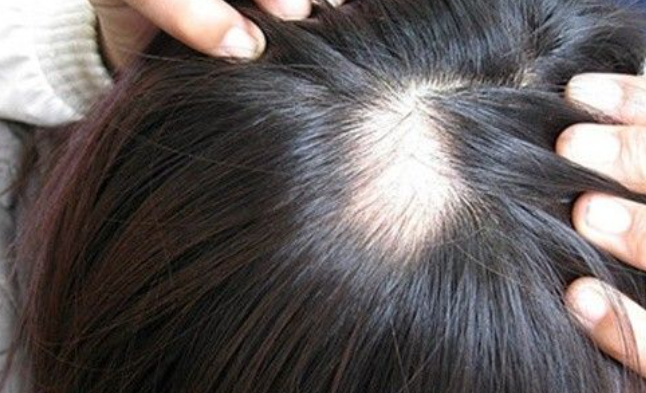
Alopecia areata is an autoimmune condition in which the immune system mistakenly attacks hair follicles, causing them to enter a dormant state and stop producing hair. Unlike androgenetic alopecia — which causes gradual miniaturisation — alopecia areata typically causes sudden, well-defined patches of complete hair loss that can appear anywhere on the scalp or body.
According to the American Academy of Dermatology, alopecia areata affects approximately 2% of the population at some point in their life. It can affect anyone at any age, including children and teenagers, and occurs equally in men and women.
Crucially, in alopecia areata the follicles are not permanently destroyed. They are suppressed by the autoimmune response but remain alive and capable of regrowth when the immune attack subsides or is treated. This is why spontaneous or treatment-assisted regrowth is possible in many cases.
Why Bald Spots Appear: The Autoimmune Mechanism
In a healthy scalp, the hair follicle is an immunologically privileged site — meaning the immune system normally does not attack it. In alopecia areata, this privilege breaks down. T-lymphocytes (immune cells) infiltrate the follicle and launch an attack, causing the follicle to abruptly stop producing hair and enter a prolonged telogen (resting) state.
The characteristic round or oval bald patches appear because the immune attack tends to be localised initially — targeting clusters of follicles in specific areas. Over time, patches may:
• Remain stable and unchanged
• Expand to involve larger areas of the scalp
• Spontaneously regrow — often with initially fine, white hairs
• Progress to alopecia totalis (complete scalp hair loss) or universalis (total body hair loss) in severe cases

Common Triggers of Alopecia Areata
While the underlying cause is autoimmune, several factors are associated with triggering or worsening episodes:
• Physical or emotional stress — one of the most commonly reported triggers before a first episode or relapse
• Illness or infection — immune activation from viral or bacterial illness can trigger an autoimmune cascade
• Genetic predisposition — alopecia areata has a hereditary component; having a family member with AA, thyroid disease, or other autoimmune conditions increases risk
• Other autoimmune conditions — thyroid disease, vitiligo, and type 1 diabetes are associated with higher rates of alopecia areata
According to the NHS, alopecia areata is not contagious and is not caused by stress alone, although stress is a known trigger in predisposed individuals.
How to Distinguish Alopecia Areata from Other Hair Loss
What You Can Do
Seek professional assessment early
Early professional assessment is important because the appearance of alopecia areata can overlap with other conditions, and the right treatment approach differs significantly. A trichologist or dermatologist can confirm the diagnosis and assess the extent of involvement.
Reduce known triggers where possible
Managing stress through sleep, exercise, and psychological support reduces the likelihood of relapse. Treating any associated autoimmune conditions (particularly thyroid disease) is also important.
Support scalp health and follicle environment
Maintaining a healthy scalp environment — reducing inflammation and supporting circulation — creates more favourable conditions for follicle reactivation. Plasma Scalp Boost and IndiScalp RF are used to support scalp health in patients with alopecia areata alongside medical management.
Consider medical treatment
Medical options for alopecia areata include topical and intralesional corticosteroids, immunotherapy, and newer JAK inhibitor medications. These are prescription treatments that should be discussed with a dermatologist.
For a complete overview of hair loss treatment options in Singapore, the hair loss treatment Singapore guide covers all available approaches. Anagen Scalp is Singapore's regenerative scalp treatment Singapore centre, with all protocols available at Pacific Plaza.
