top of page

Exosomes for Hair Growth in Singapore: The Complete Guide to Regenerative Hair Therapy

Anagen Scalp

12 Mar 2026

Learn how exosomes support hair growth and scalp health. Discover exosome hair treatment in Singapore and how it may help hair loss and hair transplant recovery.

Hair loss is one of the most common concerns affecting both men and women in Singapore. Many people notice thinning hair, widening part lines, or increased shedding long before they realise a significant change has occurred. With increasing awareness of scalp health and regenerative medicine, new biological therapies are emerging to support healthier hair growth.


One of the most talked-about innovations in modern hair restoration is exosome therapy for hair growth. Exosomes are microscopic biological messengers that help cells communicate and coordinate healing and regeneration. In recent years, they have gained attention as a promising adjunct therapy for people experiencing hair thinning, as well as for patients who have undergone hair transplantation and want to support graft survival and long-term hair density.


In this comprehensive guide, we will explore what exosomes are, how they work for hair growth, who they may benefit, and what patients in Singapore should know before considering this treatment.


What Are Exosomes?

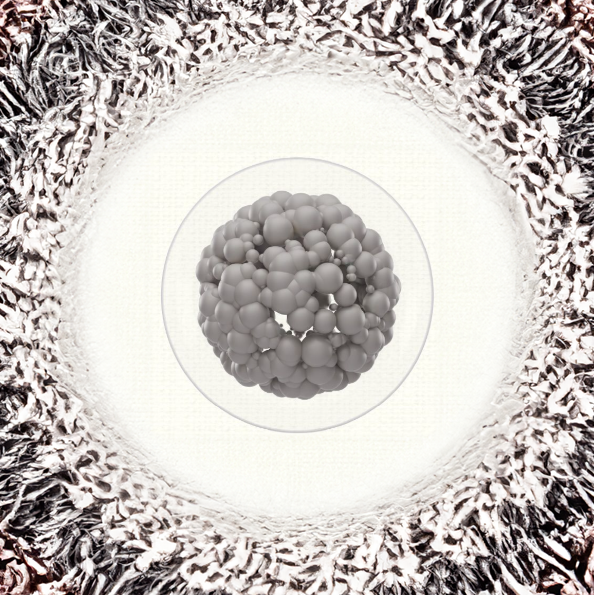
Exosomes are tiny extracellular vesicles naturally released by cells. These microscopic particles act as biological communication signals, carrying proteins, lipids, RNA, and other molecules that allow cells to communicate with one another.


Exosomes for Hair Growth Singapore


A helpful way to understand exosomes is to think of them as biological messengers.


Rather than becoming new cells themselves, exosomes deliver instructions that influence the behaviour of surrounding cells. Through this signalling process, they can support cellular repair, regeneration, and tissue communication.


In regenerative medicine research, exosomes have been studied for their ability to influence:

  • cellular repair processes

  • inflammation regulation

  • tissue regeneration

  • communication between stem cells and surrounding tissue


When applied to the scalp environment, exosomes may help support the biological environment surrounding hair follicles, which is crucial for healthy hair growth.


How Exosomes Help With Hair Growth

Hair follicles are dynamic biological structures that constantly cycle between phases of growth, rest, and shedding. For hair to grow normally, the surrounding scalp environment must provide the right signals and nutrients.


Exosomes may support hair growth by helping to regulate cellular communication around the hair follicle.


Research in regenerative medicine suggests several potential mechanisms.


Follicle Signalling Support

Hair follicles rely on signals from surrounding cells to regulate their growth cycle. Exosomes contain signalling molecules that may help support communication between scalp cells and follicles.


Hair Cycle Regulation

Hair grows through three main phases:

  • Anagen – growth phase

  • Catagen – transitional phase

  • Telogen – resting phase


Hair thinning often occurs when follicles spend less time in the growth phase. Exosomes may help support signalling pathways involved in maintaining the hair growth cycle.


Supporting the Scalp Microenvironment

Healthy hair growth depends on the condition of the scalp environment. Exosomes contain biological signals that may support:

  • improved scalp balance

  • reduced inflammatory signals

  • healthier follicle surroundings


Dormant Follicle Activation Signals

In many cases of hair thinning, follicles are still present but become miniaturised or dormant. Exosome signalling may help support communication that encourages follicles to function more optimally.


What Types of Hair Loss Can Exosomes Help?

Hair loss is not a single condition. Several different causes may contribute to thinning hair. Exosome therapy is generally considered as a supportive regenerative approach for various scalp concerns.


Androgenetic Alopecia (Pattern Hair Loss)

This is the most common cause of hair thinning in both men and women. It involves progressive follicle miniaturisation influenced by genetics and hormones.


Many patients explore exosome therapy as part of a broader strategy to support scalp health and follicle activity.


Telogen Effluvium

Telogen effluvium occurs when a large number of follicles enter the resting phase simultaneously. This may be triggered by:

  • stress

  • illness

  • hormonal changes

  • nutritional deficiencies


Regenerative therapies such as exosomes are sometimes explored to support recovery of the scalp environment.


Stress-Related Hair Shedding

Urban lifestyles, sleep deprivation, and work stress can influence hair growth cycles. Supporting scalp health may be beneficial for people experiencing stress-related shedding.


Post-Hair Transplant Support

Hair transplant surgery relocates follicles from one area of the scalp to another. Many patients seek additional therapies that may support:

  • graft survival

  • healing of the scalp

  • long-term follicle health


Exosomes are increasingly being discussed as a supportive therapy after hair transplantation.


Exosomes After Hair Transplant

Hair transplant surgery can produce natural and long-lasting results. However, the early period following transplantation is critical for graft survival and healing.

Exosome therapy is being explored by some clinics as an adjunct treatment after transplantation for several reasons.


Supporting the Healing Environment

Hair transplant procedures create tiny recipient sites on the scalp. Biological signalling molecules may help support a healthy recovery environment.


Reducing Inflammatory Signals

Post-procedure inflammation is a natural part of healing. Supporting the scalp environment may help improve comfort during recovery.


Supporting Follicle Communication

Hair follicles rely on communication with surrounding scalp tissue. Exosome signalling molecules may support the biological environment around transplanted grafts.


Long-Term Graft Maintenance

Even after successful transplantation, surrounding native hair may continue to thin. Regenerative therapies are sometimes used as part of long-term scalp maintenance strategies.


Exosomes vs PRP for Hair Loss

Platelet-rich plasma (PRP) is another regenerative treatment used for hair loss. Both therapies aim to support follicle health through biological signalling.


However, they differ in their source and composition.


Treatment

Source

Mechanism

Advantages

Limitations

PRP

Patient’s own blood platelets

Releases growth factors

Widely used

Results may vary depending on platelet concentration

Exosomes

Purified extracellular vesicles

Cellular signalling molecules

Consistent biological signals

Research still evolving

Hair Transplant

Surgical relocation of follicles

Permanent follicle relocation

Long-lasting results

Surgical procedure


For many patients, treatment decisions depend on their hair loss pattern, goals, and professional assessment.


What Happens During an Exosome Hair Treatment?

Although protocols may vary between clinics, exosome hair therapy generally follows several steps.


1. Scalp Assessment

A detailed scalp analysis is often performed first. This may include examination of:

  • follicle density

  • scalp condition

  • hair thickness

  • hair loss pattern


2. Preparation of the Scalp

The scalp is typically cleansed and prepared for treatment.


3. Delivery of Exosomes

Exosomes used in a hair loss centre Singapore may be delivered through different techniques such as:

These methods help enhance absorption into the scalp.


4. Treatment Duration

The procedure usually takes 30 to 60 minutes, depending on the protocol used.


5. Minimal Downtime

Most patients can return to normal activities shortly after treatment.


How Many Treatments Are Needed?

Hair growth treatments often require multiple sessions to support the hair cycle.


Typical approaches may involve:

  • several initial sessions spaced weeks apart

  • maintenance treatments over time


Treatment recommendations vary depending on:

  • the degree of hair thinning

  • scalp condition

  • individual response


When Will Hair Growth Results Be Seen?

Hair follicles follow a slow biological cycle, so improvements take time.

Patients often notice changes gradually over several months.


Typical timelines may include:

  • 1–2 months: scalp environment improvement

  • 3–4 months: early visible hair changes

  • 6 months or more: fuller hair appearance


Consistency and long-term scalp care are important for maintaining results.


Are Exosomes Safe for Hair Treatment?

Exosomes used in regenerative therapies are typically purified extracellular vesicles, meaning they do not contain whole cells.


Because they function as signalling molecules rather than living cells, they are studied for their biological compatibility.


However, as with any scalp treatment, safety considerations include:

  • product quality and purity

  • professional application

  • appropriate patient selection


Patients should always seek consultation with qualified practitioners before undergoing treatment.


Who Is a Good Candidate for Exosome Hair Therapy?

Exosome therapy may be considered by individuals who:

  • notice early hair thinning

  • want to support scalp health

  • are exploring regenerative hair treatments

  • have undergone hair transplant surgery and want to maintain grafts

  • prefer non-surgical approaches


However, treatment suitability varies between individuals, and a professional scalp assessment is recommended.


Factors Affecting Hair Loss in Singapore

Hair loss in Singapore can be influenced by several lifestyle and environmental factors.


Tropical Climate

Humidity and heat may contribute to scalp oil production and follicle congestion.


Urban Stress

Fast-paced work environments and sleep deprivation can affect the hair growth cycle.


Pollution Exposure

Environmental pollutants may affect scalp health and contribute to oxidative stress.


Lifestyle Factors

Diet, stress levels, and hair care habits can all influence scalp condition.

Supporting scalp health through professional care and consistent routines can be beneficial.


Frequently Asked Questions About Exosome Hair Treatment

Do exosomes regrow hair?

Exosomes work by supporting biological signalling around hair follicles. They may help improve the scalp environment that supports hair growth.


Are exosomes better than PRP?

Both therapies involve biological signalling molecules. The choice between them depends on individual needs and clinical protocols.


How long do exosome hair treatments last?

Hair treatments generally require maintenance sessions because hair follicles continue to undergo biological cycles.


Are exosomes safe?

Exosomes are purified signalling vesicles studied in regenerative medicine. Safety depends on proper sourcing and professional application.


Can women use exosome hair therapy?

Yes. Hair thinning affects both men and women, and regenerative scalp therapies may be explored for female hair loss.


Do exosomes help after hair transplant?

Some patients explore exosome therapy to support scalp healing and follicle health following transplantation.


Are exosomes permanent?

Hair growth therapies usually require maintenance because hair follicles change over time.


Is the treatment painful?

Most delivery techniques involve minimal discomfort.


When should treatment start?

Early intervention often provides the best opportunity to support hair follicle health.


Can exosomes treat severe baldness?

Advanced hair loss may require different approaches such as transplantation.


The Future of Regenerative Hair Restoration

Hair restoration is evolving rapidly. Instead of focusing only on replacing lost hair, modern approaches increasingly focus on supporting the biological environment of the scalp.


Regenerative therapies such as exosomes for hair growth represent a growing area of research in hair restoration. By supporting cellular communication and scalp health, these therapies aim to create conditions that are more favourable for hair growth.


For individuals experiencing hair thinning, early evaluation and professional scalp analysis remain the most important steps in identifying the most suitable treatment approach.


bottom of page